13.07.2026
von Polina Aronson
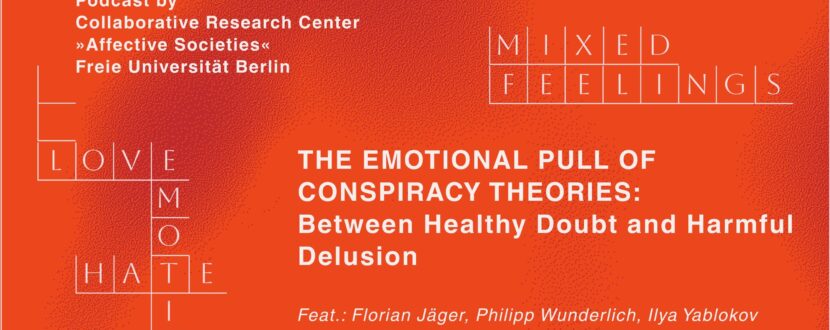
MIXED FEELINGS: Season 1. Episode 3. Feat.: Florian Jäger, Philipp Wunderlich, Ilya Yablokov. Hosted by: Polina Aronson. Conspiracy theories seem to offer more than explanations — they provide emotional orientation, a way of making sense of an increasingly complex world. Perhaps the challenge is not only to debunk them, but also to understand the emotional needs … weiterlesen
04.05.2026
von Ana Makhashvili
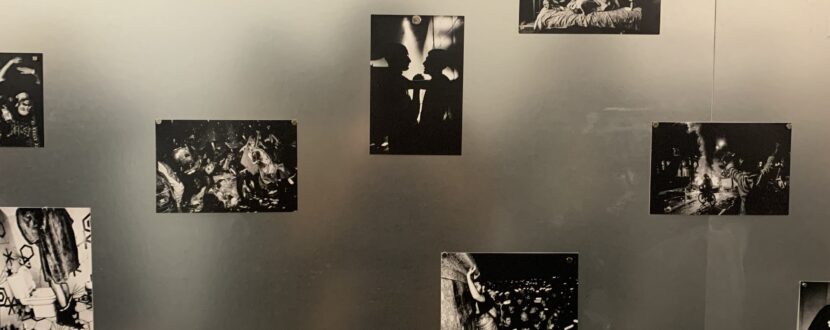
This evening (March 17), I went to Halfsister, a gallery space in Berlin run by two Georgian sisters, for an exhibition by Mariam Giunashvili (მზესუ), a Georgian photographer, titled Disposable Highs. The mostly black-and-white photographs move between intimacy and rupture. Many were taken in Tbilisi’s (now closed) alternative bars, where the artist worked—sometimes at five bars at once—ending nights, or rather mornings, in nightclubs before returning to work again. These images capture closeness, elation, and a kind of familiarity that feels almost tactile. They are set against a different visual register, one that feels cold, displaying brutal encounters from demonstrations on Rustaveli Avenue over the past decade.
16.02.2026
von Meltem Ahıska

Monumentalization means enforcing an official version of memory. There is a “fantasy of immortality embodied in the monument” (Sakr, 2012, p. 51). This essay (which is based on my talk at the CRC Affective Societies on June 27, 2025) aims to engage the question of monuments in Turkey within the framework of what I have … weiterlesen
26.01.2026
von Claudia Breger
A lot has happened since notions of affect first emerged as a theoretical concept and took hold across the humanities and social sciences. The contours of what was then still confidently called Theory have blurred, morphed into something else, or vanished from sight. The political horizons of the 1990s and 2000s—the time when affect marked … weiterlesen
20.01.2026
von Polina Aronson
MIXED FEELINGS. Season 1, Episode 2. Feat.: Kristen Ghodsee, Dominik Mattes, Maren Wirth, Lioba Diez. Hosted by: Polina Aronson. “Utopian thinking is important, not because it’s happy or optimistic or even hopeful, but because it creates the preconditions for change.” In the second episode of our Mixed Feelings podcast, we explore ecological despair and grief—and the role … weiterlesen
12.01.2026
von Annabella Backes

The interview series poses questions concerning the role of affects and emotions in research practice and contemporary society to researchers on short-term visit and associate members of the Collaborative Research Center “Affective Societies.” Today we introduce William Mazzarella, Neukom Family Professor of Anthropology at the University of Chicago. He works at the transdisciplinary intersection of … weiterlesen
18.12.2025
von Blogredaktion
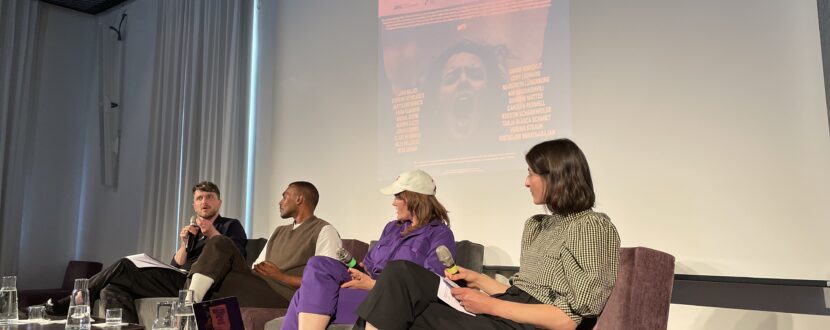
When the Collaborative Research Center “Affective Societies” hosted its annual conference “Mobilizing Affect – Affective Mobilization” in May 2025, together with the TU Dresden research project “Image Protests on Social Media” and ICI Berlin, the idea was simple: to ask what moves us, and how affect itself moves. Across three days, scholars, artists, and activists … weiterlesen
03.12.2025
von Clara Busch
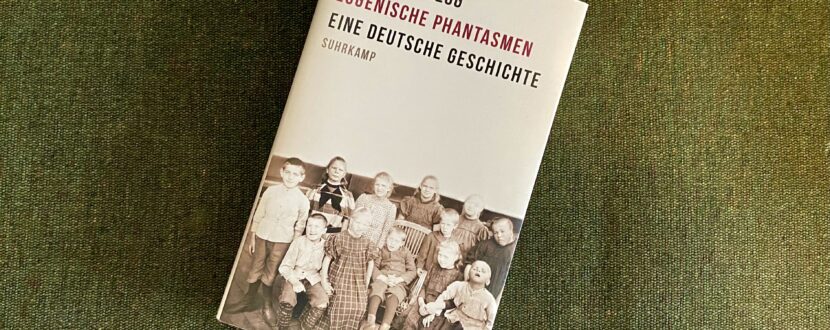
In ihrer Monographie Eugenische Phantasmen. Eine deutsche Geschichte (2024) legt Dagmar Herzog eine beeindruckend weitreichende Ideengeschichte zum gesellschaftlichen Umgang mit geistiger und körperlicher Behinderung vor. Die Historikerin zeigt, dass Diskriminierung, Pathologisierung und Entmündigung tief in bürgerlich-christlichen Moralvorstellungen des 19. Jahrhunderts verwurzelt sind – und bis heute andauern. Sie sind konstitutives Kontinuum behindertenfeindlicher1 Denkmuster, die sich in Kategorien … weiterlesen
19.11.2025
von Iuri Portalegre

This essay explores the affective tensions of multilingual life through the lens of Portuguese migrants in Berlin. It draws from interviews conducted between 2024 and 2025 to trace how it feels being “split” across languages, giving rise to a tentative and lived dynamic. The figure of „the migrant“ that appears throughout is neither universal nor … weiterlesen
04.11.2025
von Clare Hemmings

A lot has happened since notions of affect first emerged as a theoretical concept and took hold across the humanities and social sciences. The contours of what was then still confidently called Theory have blurred, morphed into something else, or vanished from sight. The political horizons of the 1990s and 2000s—the time when affect marked its most forceful interventions within theoretical discourse—look very different now, at least to many. The series „After Affects, Future Feelings“ sets out to reflect on these changes, both regarding theoretical developments and their very own structures of feeling, i.e. their shifting material and geographical conditions.



 ältere Posts